Carpets are often the unsung heroes of our homes. They provide comfort, warmth, and a touch of elegance to our living spaces. However, they also act as magnets for dirt, allergens, and stains. This brings us to an essential question: should you tackle carpet cleaning yourself or hire professionals? In this comprehensive guide, we'll explore the ins and outs of carpet cleaning, specifically focusing on the advantages and disadvantages of both professional and DIY methods.
Understanding Carpet Cleaning
What Is Carpet Cleaning?
Carpet cleaning refers to the process of removing dirt, stains, and allergens from carpets using various techniques. This not only improves aesthetics but also contributes to a healthier indoor environment.
Why Is Carpet Cleaning Important?
Regular carpet cleaning can significantly extend the life of your carpets while enhancing air quality in your home. Dust mites, pet dander, and other allergens can accumulate in carpets over time. Therefore, understanding carpet cleaning is key to maintaining a healthy home.
Choosing Between Professional and DIY Carpet Cleaning: What You Need to Know
When Should You Consider Professional Carpet Cleaning?
Professional carpet cleaning is ideal for:
- Stubborn stains that won't budge. Allergies triggered by dust mites or other allergens. Major renovations that cause dust buildup.
Hiring professionals ensures a deep clean that may be hard to replicate with standard consumer equipment.
Benefits of Professional Carpet Cleaning
Expertise: Professionals are trained in various cleaning techniques suitable for different types of carpets. Deep Cleaning: Their equipment typically offers more powerful suction than consumer-grade machines. Time-Saving: Professionals handle everything from moving furniture to disposal of waste. Guarantees: Many companies offer satisfaction guarantees or warranties on their work.Limitations of Professional Carpet Cleaning
Cost: It can be expensive compared to DIY methods. Scheduling Issues: You may have to wait for an appointment that fits into your schedule. Chemical Use: Some services use harsh chemicals that may not be safe for children or pets.DIY Carpet Cleaning Techniques
Common DIY Methods
1. Vacuuming
The first step in carpet maintenance is regular vacuuming. This helps remove surface dirt before it settles into the fibers.
2. Spot Cleaning
Using a mild detergent mixed with water can help eliminate small stains quickly.
3. Steam Cleaning
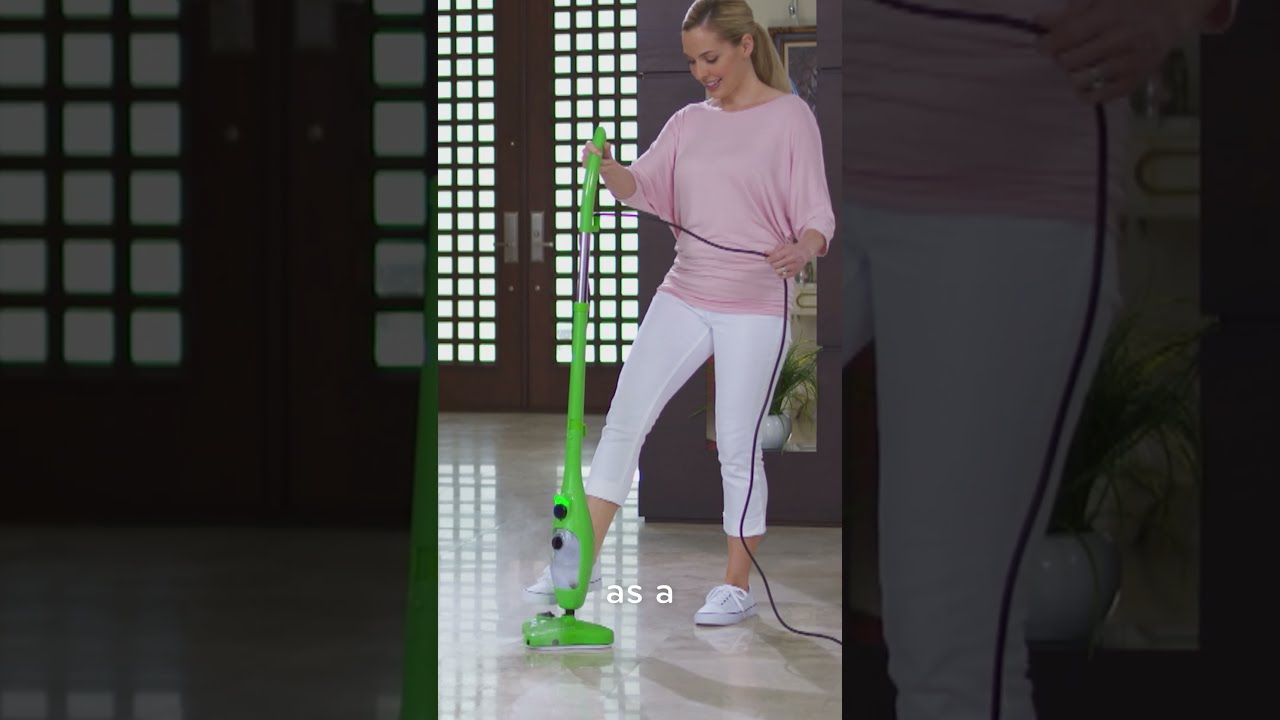
A steam cleaner can penetrate deep into the fabric, loosening dirt while sanitizing the surface.
4. Dry Powder Method
This involves sprinkling dry cleaning powder over your carpet, which absorbs dirt before being vacuumed up.
Advantages of DIY Carpet Cleaning
Cost-Effective: Generally cheaper than hiring professionals. Flexibility: Clean whenever it’s convenient for you without needing appointments. Control Over Chemicals Used: You can choose eco-friendly options tailored for sensitive environments.Drawbacks of DIY Carpet Cleaning
Less Effective Results: May not achieve the same level of cleanliness as professional services. Time-Consuming: Requires significant effort and time commitment on your part. Risk of Damage: Improper techniques could damage the carpet fibers or lead to mold growth if moisture is not properly managed.Comparing Costs: Professional vs DIY Carpet Cleaning
| Method | Estimated Cost | Time Required | |--------------------|-------------------|----------------------| | Professional | €80 - €300 (or more) | 1 - 3 hours | | DIY | €10 - €150 | 2 - 6 hours |
Note: Costs vary based on carpet size, condition, and location (e.g., carpet cleaning Dublin may have different pricing structures).
Factors Influencing Your Choice
Type of Stains and Dirt Levels
Heavy staining from pets or red wine might necessitate professional intervention, while lighter stains could be manageable through DIY methods.
Carpet Material Type
Different materials respond best to certain methods; for instance, delicate fibers like wool may require specialized care that professionals provide.
Time Availability
If you're pressed for time or don't want the hassle involved in thorough cleaning, calling in professionals might be your best bet.
Budget Constraints
Your budget will greatly influence whether you go down the professional route or take matters into your own hands with DIY options.
Tools Needed for DIY Carpet Cleaning
If you choose the DIY route, here’s what you’ll need:
Vacuum Cleaner Spot Cleaner Steam Cleaner (optional) Detergents or Eco-Friendly Solutions Towels or Rags Brushes (for scrubbing)Best Practices for Successful DIY Carpet Cleaning
1. Read Labels Carefully
Always check labels on cleaners—make sure they’re appropriate for your specific type of carpet material!
2. Test First
Before applying any cleaner broadly across your carpet, test it on a small inconspicuous area first!
3. Follow Manufacturer Instructions
Whether using a rented steam cleaner or commercial products—always follow guidelines provided by manufacturers!
FAQs about Carpet Cleaning Options
FAQ 1: How often should I clean my carpets?
Typically every 6-12 months is recommended depending on traffic levels in your home.
FAQ 2: Can I rent equipment instead of buying it?
Yes! Many stores offer rental options for steam cleaners at reasonable rates!
FAQ 3: What's safer—professional chemical treatments or homemade solutions?
Homemade solutions often utilize less harsh chemicals but always check safety with children/pets before use!
FAQ 4: How long does it take for carpets to dry after professional cleaning?
Usually around 6-12 hours depending on humidity and airflow conditions!
FAQ 5: Do I need special training for effective DIY cleaning?
While no formal training is needed—familiarity with tools/methods will enhance results significantly!
FAQ 6: What if I make mistakes during my DIY cleaning?
Don’t panic! For minor issues like discoloration—reaching out to pros could help rectify those blunders!
Conclusion
In summary, choosing between professional and DIY carpet cleaning boils down to individual needs and circumstances such as budget constraints, time availability, type of stains present on carpets, https://telegra.ph/Before-You-Rent-a-Cleaner-What-You-Need-to-Know-About-Equipment-Quality-08-08 among others! Both approaches come with their benefits and downsides but knowing what works best will equip you better when making this important decision!
So next time you find yourself grappling over how best to tackle those pesky carpets remember this guide titled “Choosing Between Professional and DIY Carpet Cleaning: What You Need To Know.” Happy cleaning!